Synthetic and Farmed Alternatives to Wildlife Products Won’t Save Endangered Species
During Operation SANDOKAN, which investigated wildlife trafficking in the lower Mekong, ELI collected interesting information on the attitudes of wealthy Chinese wildlife buyers regarding wild vs. farmed animals. While there are unfortunately many tiger “farms” in the region, ELI found that elite consumers would still pay–and onboard the risk–of procuring endangered wild tigers. In other words, wild-caught endangered species carry more cachet in circles where conspicuous consumption, no matter how damaging, projects wealth and power.
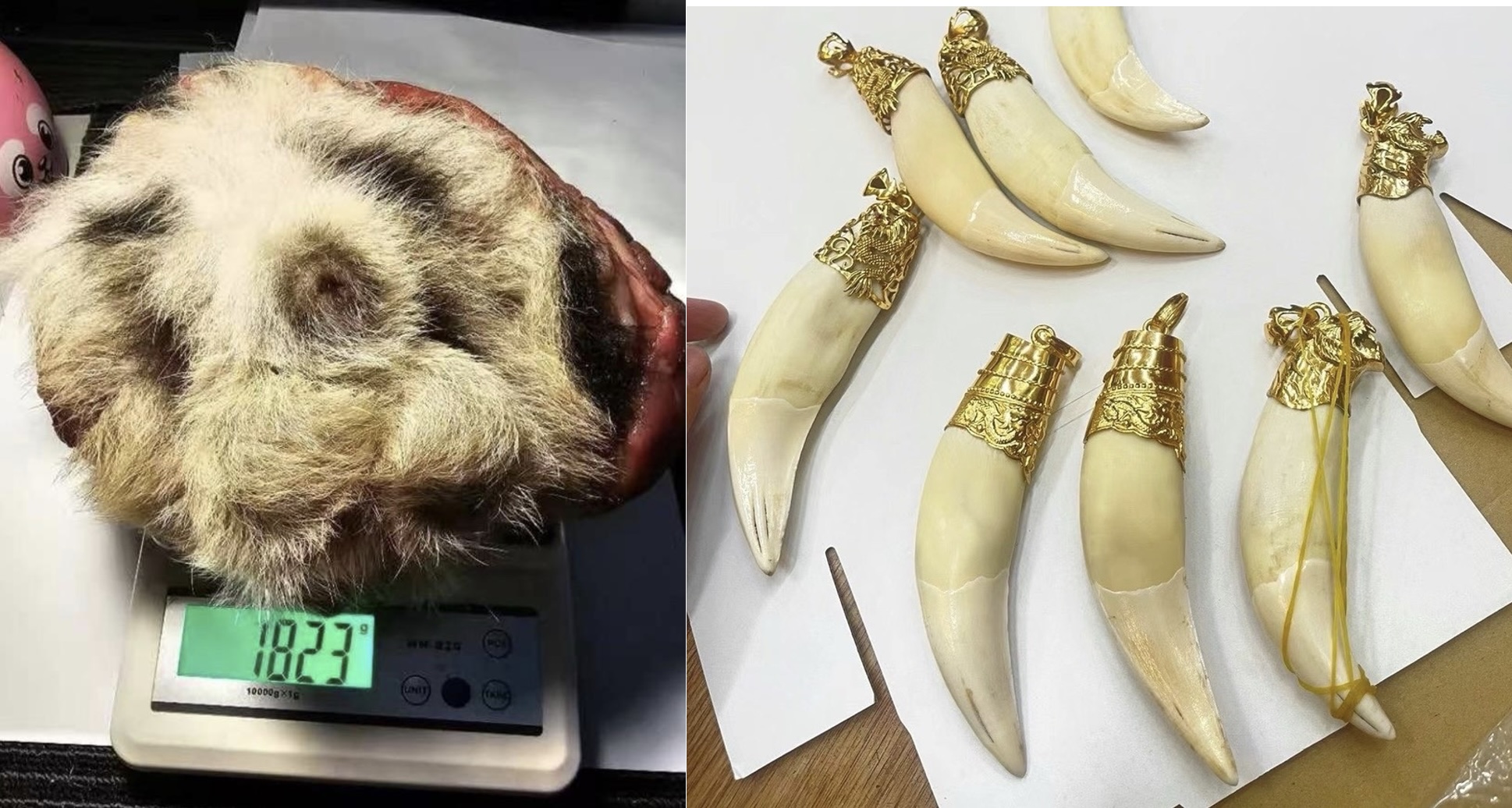
This type of information, while anecdotal, helps inform ongoing debates regarding potential markets for alternatives to products derived from threatened flora and fauna. The IWT encompasses traditional medicines, status symbols, and dishes that have been romanticized for generations. However, booming global human populations and income increases alongside sharply declining biodiversity are pushing many species toward extinction. Could some illicit commodities be replaced with alternatives, or would this perceived solution backfire? Given the costs and technical challenges of providing alternatives to animal and plant consumption, multiple factors must align for feasibility. First, there must be clear demand that the targeted consumers will use the alternative. Second, there must be evidence that the creation of the alternative is not only technically feasible, but scalable for sufficient production and competitively affordable. And then, there is the risk of unintended consequences.
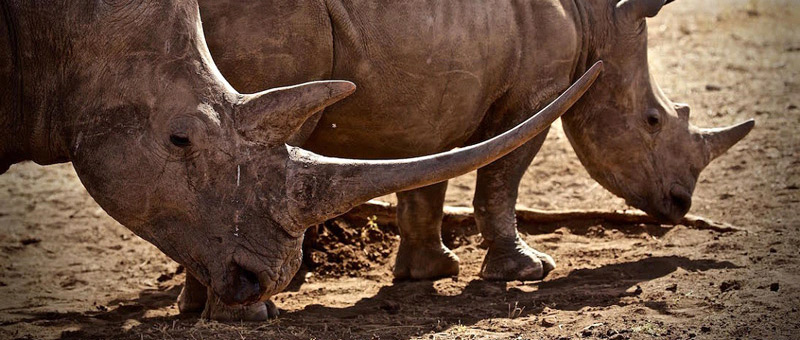
Anecdotal information cannot tell the whole story regarding markets, technical plausibility, or impacts. However, examples that ELI has collected highlight the existence of an elite market which consumes endangered species precisely because they are rare, expensive, and illegal to obtain–a particularly selfish and harmful means of conveying social status. In one example from ELI’s work in Cambodia, a shopkeeper reported that some wealthy Cambodians would finance the murder of an elephant to obtain “fresh” ivory, vs. that already on store shelves. These attitudes will likely not be satisfied with lab-grown ivory. Similarly, ELI has collected examples of corrupt officials who take bribes in the form of illegal wildlife products to reduce the risk of getting caught. It is unlikely that such officials would accept accessible and affordable synthetic alternatives to rhino horn or tiger bone to fuel their acts of corruption.
For products touted to have medicinal purposes, there needs to be proof of efficacy: something lacking for products derived from endangered species. Some traditional medicine philosophies describe healing properties that come from the animal’s nature or behavior despite a lack of scientific evidence.[i] For example, pangolin scales are believed to clear “blockages” in the body, with consumers attributing this effect to the pangolin’s burrowing behavior.[ii] Subscribers to these concepts may not accept alternatives. The Stimson Center investigated pangolin scale alternatives, noting that consumer surveys have consistently shown a preference for wild pangolin products over farmed ones, and farmed substitutes over synthetics.[iii]
Unintended consequences need to be carefully considered when discussing the introduction of alternatives meant to mimic the real commodity. Alternatives may make law enforcement harder, especially if officials need easy access to field tests that would quickly and accurately distinguish between real and fake items. Many conservationists argue that a parallel market will benefit illicit trade by making it easier to launder illicit materials into supply chains. There is also a real risk of increasing overall demand. Furthermore, as more people can access an alternative, the perceived exclusivity of the real thing could create even more pressure on imperiled wildlife.
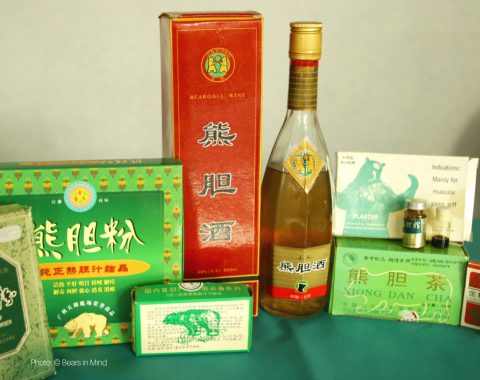
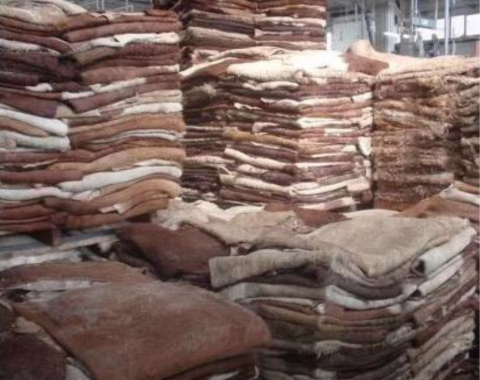
The “can we?” question is more straightforwardly promising than the “should we?” question. Synthesizing mineral and chemical compounds to replace animal products is not new. The University of Paraná in Brazil has created donkey collagen using cellular agriculture, to stop the mass killing of donkeys for the traditional Chinese medicine eijao, which is used as a blood tonic.[iv] In 2021, the National Natural Science Foundation of China supported experiments to create bear bile.[v] In 2019, the Max Planck Institute in Germany experimented with creating ivory substitutes for piano keys that mimicked all of the desired qualities of real ivory down to the Schreger lines.[vi] Around the same time, Elforyn Juma engineered ‘Super Tusks’ as another ivory substitute.[vii] In 2015, the biotech firm Pembient started reprogramming yeast cells to produce rhino horn protein (it halted experiments due to ethical concerns).[viii] In 2003, Ginwa Enterprise Group created Jintiange capsules from “non-protected” animals, such as pigs and goats, to create artificial tiger bone powder.[ix]
That’s not to say that there is never a place for non-animal alternatives in consumer markets: there are some clear success stories when it comes to products with broader consumer bases. Fake fur and fake leather have made impressive traction into mass-market fashion and even into some luxury brands. The Donkey Sanctuary generously shared with ELI its findings from a survey of Chinese consumers indicating that 76% were receptive to trying lab-grown ejiao. In the U.S. and Europe, beauty products containing squalane now nearly always derive it from plant sources instead of from sharks–though this is still not as common in East Asian products. Understanding market drivers and consumer motivations, then, is essential research. In other words, those buying shark fins to show that they can afford shark fin soup may be very different from shoppers who simply want a good moisturizer, and are happy to buy products with eco-friendly alternative ingredients to shark oil.
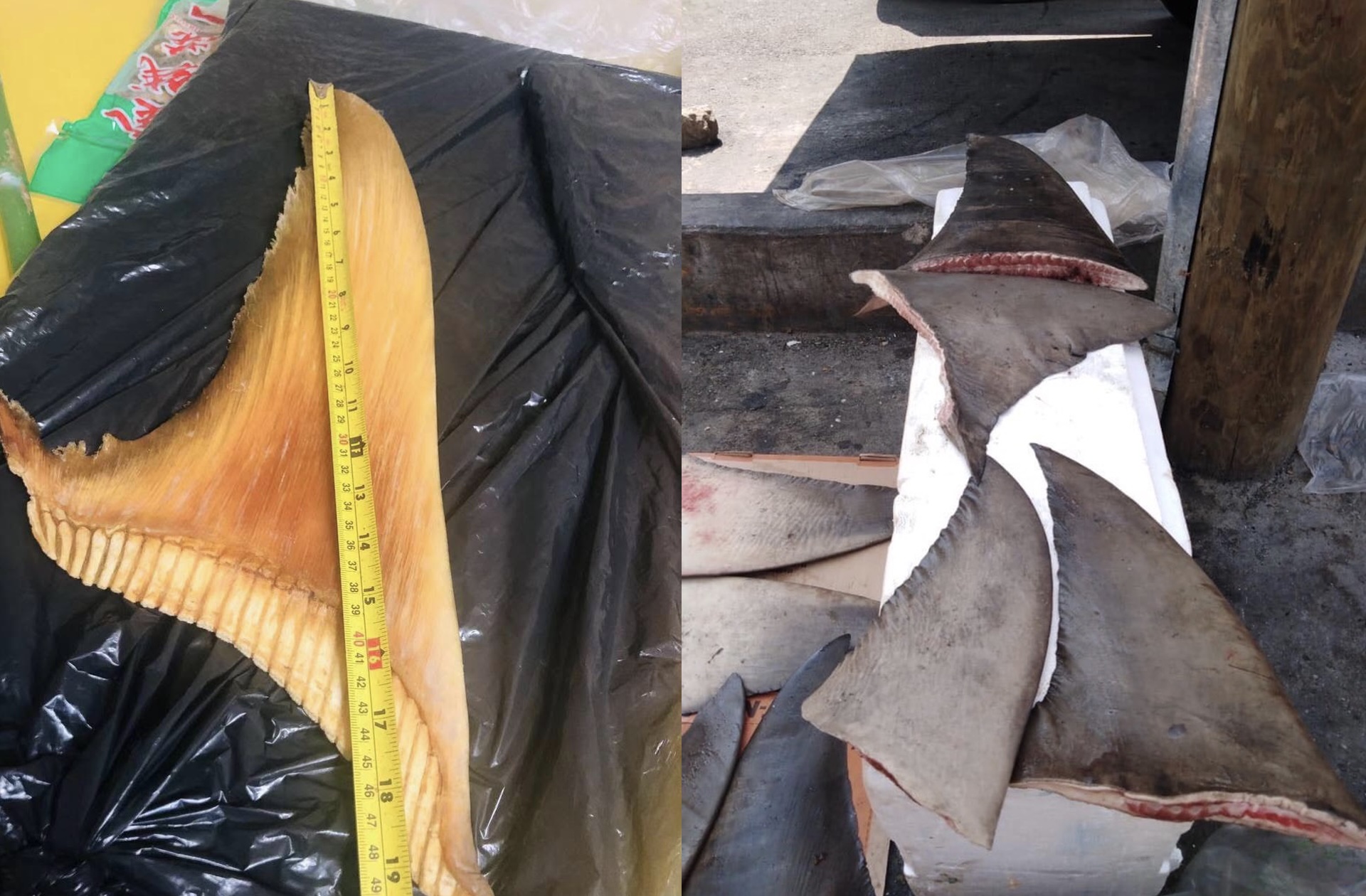
There is no evidence suggesting that substitutes would decrease demand for endangered species, given what’s known about the people who buy them. Future debates about alternatives must carefully weigh consumer motives alongside technical possibility.
[i] https://www.sciencedirect.com/science/article/pii/S2667142524000320
[ii] https://www.newsecuritybeat.org/2019/09/synthetic-substitute-save-pangolin/
[iii] https://www.newsecuritybeat.org/2019/09/synthetic-substitute-save-pangolin/
[iv]https://www.thedonkeysanctuary.org.uk/articles/groundbreaking-technology-could-stop-the-slaughter-of-millions-of-donkeys
[v] https://www.sciencedirect.com/science/article/pii/S2095809923004587
[vi] https://www.mdpi.com/2071-1050/11/23/6538
[vii] https://www.elforyn.info/en/
[viii] https://www.pembient.com/
[ix] https://pmc.ncbi.nlm.nih.gov/articles/PMC8867413/