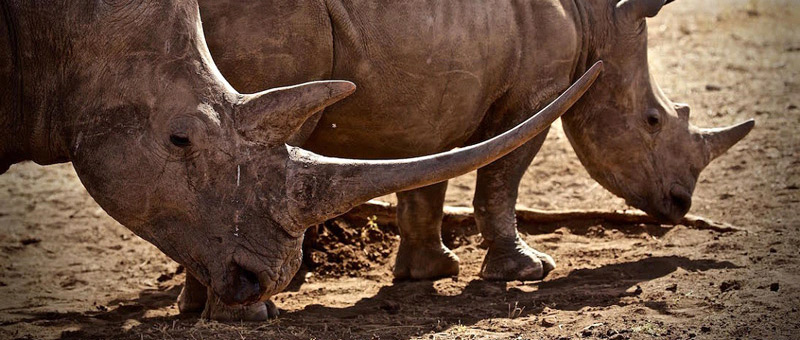
THE INTELLIGENCE AGENCY FOR EARTH
Earth League International (ELI) is an investigative NGO built around a single conviction: environmental crime can no longer be treated in isolation. The traffickers and businessmen at the top of environmental and wildlife crime networks are rarely specialists — the same individuals who move ivory, pangolins, timber, or illegal fish are frequently involved in money laundering, corruption, drug and human trafficking, and other serious transnational crime. That is why we focus exclusively on Environmental Crime Convergence — the point where these worlds meet — and apply professional intelligence tradecraft to expose the networks behind it.
Following these players across all their crimes — not just their environmental ones — gives us a fuller picture of how they operate and the connections government authorities need to dismantle entire networks, not just remove individuals.
Over more than a decade at the forefront of this fight, ELI has built a proven track record and close collaborations with key government agencies in the U.S. and abroad. We identify and investigate high-level environmental criminals and transnational trafficking networks worldwide — including how they move their money and their links to organized crime and other serious offenses.
Why we focus on Environmental Crime Convergence
The people who drive deforestation and land grabbing, run illegal fishing and mining operations, or traffic timber, ivory, pangolins, and jaguars are rarely “environmental criminals” in any narrow sense. They are transnational organized-crime operators who deal in whatever is profitable and low-risk — and the criminal exploitation of nature, in all its forms, is among the most profitable, least-policed enterprises on earth. The same networks, routes, and money-laundering systems move endangered species, natural resources, drugs, weapons, and people. Treating environmental crime as a conservation problem alone — to be solved with rangers, fences, and seizures — misses this entirely and leaves the high-level actors untouched. Treating it as what it actually is — organized crime, corruption, and a national-security threat — is the only way to dismantle the networks rather than replace the foot soldiers. That is why intelligence, not just enforcement, sits at the center of everything we do.
How We Operate
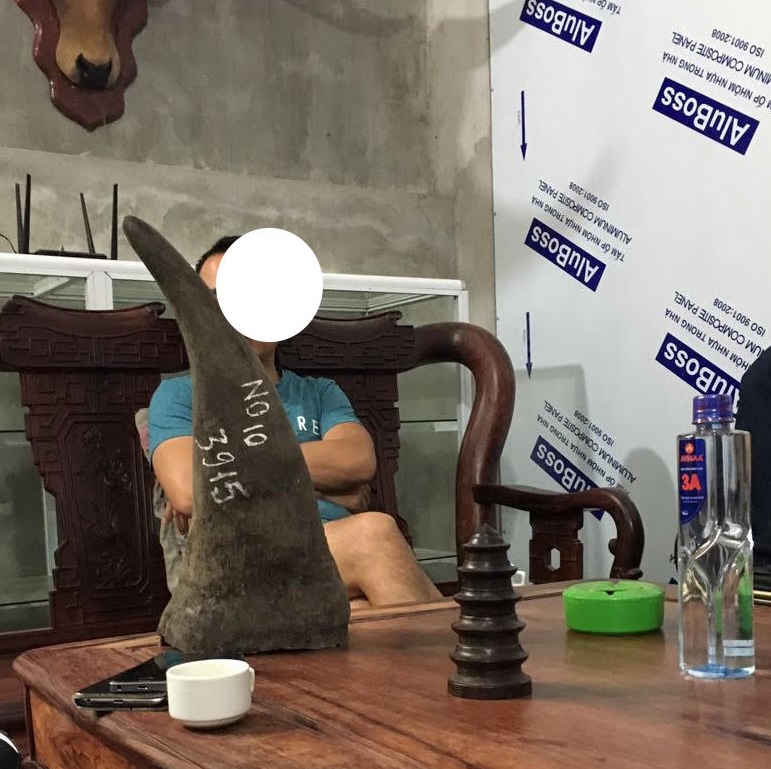
ELI’s intelligence is not gathered from behind a desk. Our investigators and undercover operators go where the crimes happen and where the criminals are — from remote stretches of the Amazon to trafficking hubs across Africa, Asia, Europe, and the Americas.
Working undercover, our operators build relationships with people inside these networks — traffickers, middlemen, brokers, and facilitators — and cultivate sources close to them. Over months, and sometimes years, this access lets us document not only the crimes against nature themselves — poaching and trafficking, illegal logging, fishing and mining, deforestation, and land grabbing — but the machinery of convergence behind them: how the networks are structured, who protects them, and, above all, how they move and launder their money — including through the shadow banking systems and informal value-transfer channels that keep their profits invisible.
It is this kind of intelligence — collected first-hand, frequently from the criminals themselves — that sets ELI apart and gives our partners something they rarely get from any other source: a view from inside the networks exploiting our planet.
IMPACT: What our work has produced
Over more than a decade, ELI field investigations and intelligence-gathering operations have:
- exposed hundreds of high-level traffickers, middlemen, and corrupt officials across over 30 countries;
- supported law enforcement operations that led to nearly two dozen high-profile arrests, network disruptions and important seizures, such as the December 2025 seizure of 930 live endangered turtles trafficked through Los Angeles International Airport;
- worked behind the scenes with government agencies from the U.S. and other countries, contributing to several official investigations — some still ongoing — and to other disruption measures, including visa revoking against wildlife traffickers;
- delivered hundreds of Confidential Intelligence Briefs, Target Profiles, and SITREPs to law-enforcement, government partners and policy makers in the U.S. and abroad;
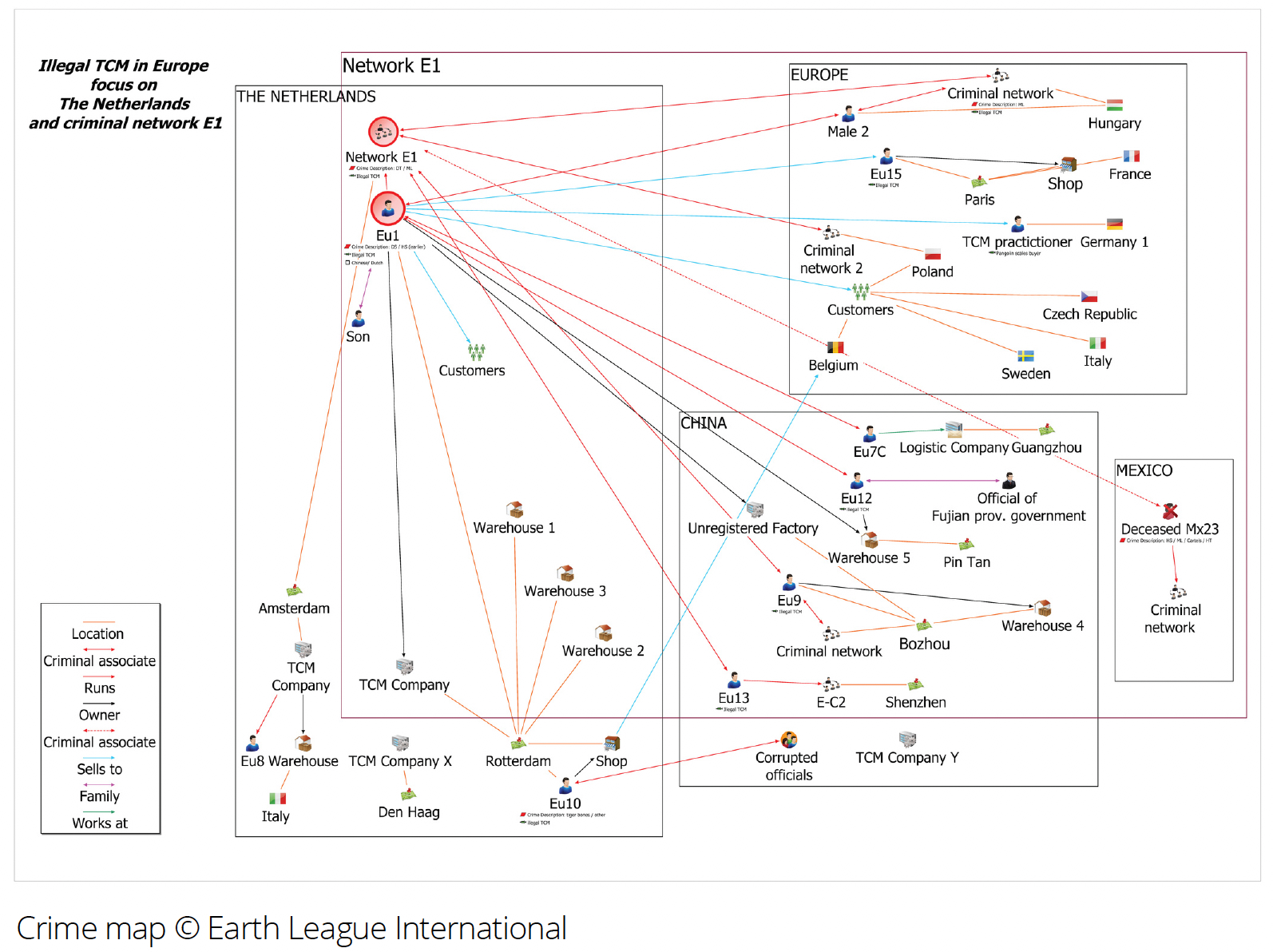
- mapped trafficking and money-laundering networks spanning Latin America, the United States, Africa, Europe, and Asia.
- reached millions of readers and viewers through collaborations with leading media companies and streaming platforms — including a New Yorker cover story and documentaries with Netflix and NatGeo/Disney+ — turning complex criminal dynamics into stories that make the realities of Environmental Crime Convergence understandable to a broad public.
Our intelligence has informed criminal investigations, policy decisions, and major media investigations — but its real measure is the networks disrupted and exposed, and the actors who can no longer operate in the shadows.
The Power of Professional Intelligence
What sets ELI apart is our approach: we treat environmental crime the way the world’s security services treat any serious threat — as an intelligence problem first.
Our teams are built from career professionals in the disciplines organized crime fears most: undercover field operators, human-intelligence (HUMINT) collectors and source handlers, criminal-network analysts, geospatial-intelligence (GEOINT) specialists, and financial investigators. Among them are former officers of the Federal Bureau of Investigation (FBI), the Central Intelligence Agency (CIA), and other branches of the U.S. law-enforcement and intelligence community — decades of experience brought to a fight that has rarely had access to it.
This is what lets us operate where other organizations, and often governments themselves, cannot or will not: getting close to high-level traffickers, mapping the networks above them, and following the money to its source.
In the intelligence world, intelligence has long been defined as knowledge and foreknowledge. We apply that same principle to environmental crime: intelligence is the knowledge — ideally the foreknowledge — that leads to the understanding of the global criminal network systems behind the criminal exploitation of nature.
We favor long-term, intelligence-led operations over the quick-arrest, quick-seizure cycle that leaves the leadership of these networks untouched. Sustained collection builds the deep picture — the key actors, their methods, their links to other serious crimes — that produces real disruption rather than temporary setbacks. Just as the world treats terrorism, drug trafficking, and organized crime as intelligence problems first, ELI brings that same discipline to the criminal exploitation of nature.
A Fact-Finding Organization
ELI is a fact-finding organization, not an advocacy group. We don’t campaign — we investigate, verify, and report. Through field operations, research, and analysis we target the transnational criminal organizations, traffickers, middlemen, and corrupt officials behind environmental crime — from deforestation and land grabbing to illegal fishing, logging, mining, and wildlife trafficking — and turn what we find into intelligence others can act on.
That intelligence takes concrete form: Confidential Intelligence Briefs, Situational Reports, and Target Profiles, shared with the law-enforcement and government agencies best positioned to act at national, regional, and international levels. We also produce custom intelligence and field research for foundations, research centers, think tanks, and other partners — and because the networks we investigate so often touch money laundering, drug trafficking, corruption, and even terrorist financing, our findings increasingly inform national-security assessments as well.
Everything we produce is grounded in fact and first-hand information. That discipline is what makes our work usable as the basis for investigations, prosecutions, policy, and accountability — placing reliable, verified intelligence in the hands of those who can act on it.
“Earth League International has been working to create an intelligence agency for Earth. Why? Because it’s so desperately important to combat environmental crime with the same determination and organization, as other global threats are tackled, threats such as terrorism, and the trafficking of humans, and drugs.
I’m so very grateful to Andrea Crosta for his dedication to this so important cause.”