INSIDE THE TRAFFICKING NETWORKS: ELI’S New Monthly Intelligence Brief Series.
This month, ELI is excited to launch a new monthly series of concise intelligence briefs that share information, analysis, and findings emerging directly from our field operations and intelligence work. Between our longer public reports, these briefs will provide timely insights into the illegal wildlife trade (IWT), environmental crime, and crime convergence.
Drawing from intelligence gathered by our investigators and analysts, each brief will highlight new findings from ongoing operations, explain key aspects of environmental crime, or shed light on trafficking patterns and criminal networks uncovered during our investigations.
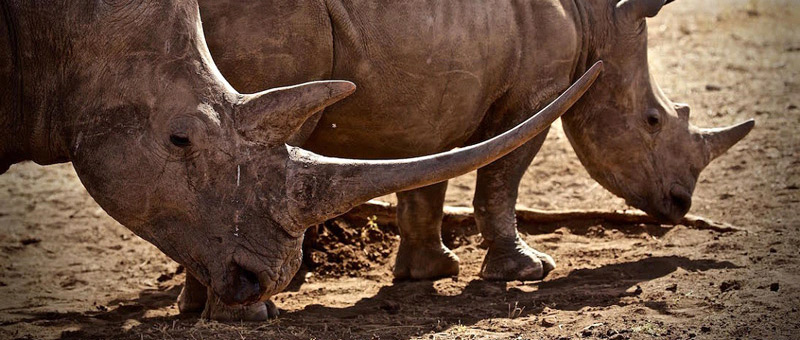
The first monthly brief shares evidence gathered during ELI’s field operations on the donkey skin trade, including showing how traffickers exploit these shipments to facilitate the movement of higher-risk illegal wildlife products, offering a compelling example of environmental crime convergence in action.
In this case, our intelligence pointed to an encouraging finding: where strong laws were enacted and enforced, traffickers shifted their behavior and moved elsewhere, suggesting that broad regional unity regarding relevant laws and enforcement could depress the level of trade. . While this is not equally applicable to all forms of the IWT, it does support the commonly held belief that traffickers seek to exploit the weakest links in a system or region.
By sharing intelligence from the field, we hope to equip governments, law enforcement, researchers, journalists, policymakers, and the public with the knowledge needed to better understand these hidden criminal economies and strengthen the collective effort to protect biodiversity, wildlife, ecosystems, and communities.
The Donkey Skin Trade and Its Convergence with the IWT
Summary
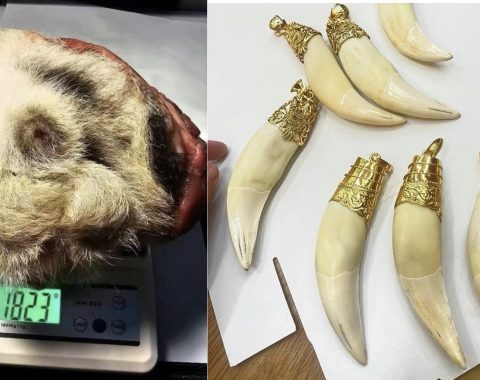
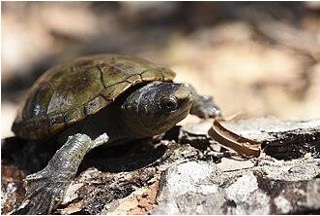
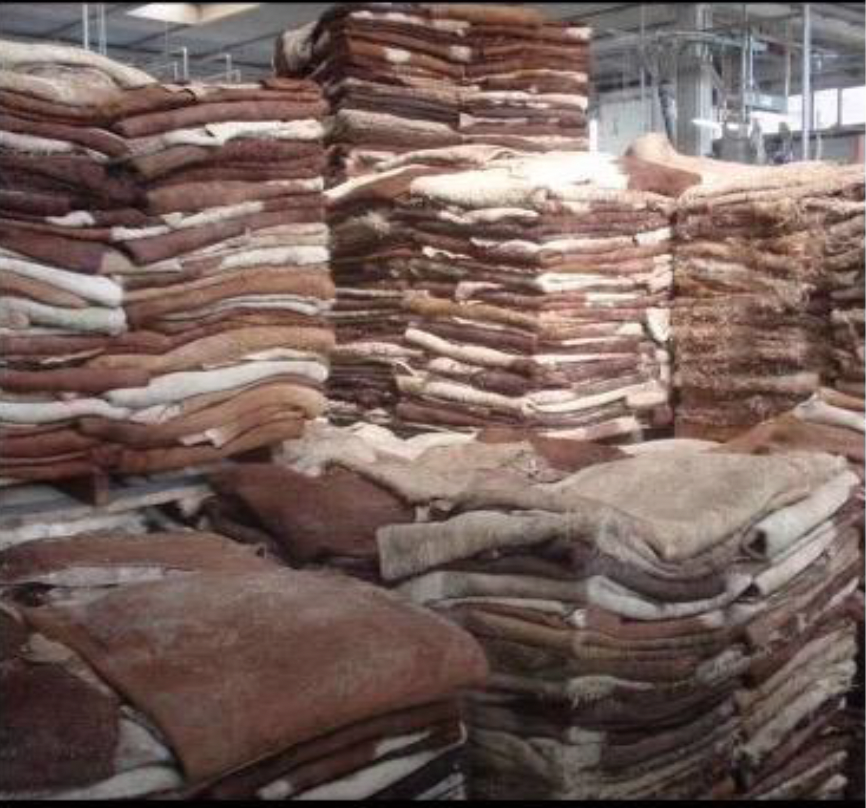
Based on intelligence collected during ELI Latin American operations on totoaba, shark fin, and jaguar trafficking, the brief shows that donkey skins are often sourced, processed, moved, and exported by the same persons of interest, logistics networks, and criminal routes involved in higher-profile wildlife crimes. ELI also identified high volumes of donkey skin trade in East Africa, including Uganda, South Sudan, Kenya, and Ethiopia via its sources there.
The brief highlights how traffickers exploit weak or inconsistent legal frameworks, border regions, falsified origin claims, bribery, and shifting export routes. It also documents cases in which donkey skin shipments were used to conceal other wildlife products, including jaguar parts, demonstrating the trade’s value as both a commodity and a logistical cover for broader wildlife trafficking.
ELI assesses that the donkey skin trade deserves greater attention from law enforcement, policymakers, and the international conservation community. Because traffickers often perceive it as lower-risk than trafficking endangered species, it may also provide a useful entry point for investigating wider criminal networks. The brief recommends stronger regional cooperation and “zone defense” strategies across South America and East Africa to prevent traffickers from simply shifting operations to jurisdictions with weaker laws or enforcement.
Download the full brief here: ELI_Donkey Skins Brief – July 2026