ELI joined several leading environmental and anti-corruption organizations in urging the U.S. Treasury’s Financial Crimes Enforcement Network (FinCEN) to withdraw its Interim Final Rule that drastically weakens the Corporate Transparency Act (CTA) — a law intended to crack down on anonymous shell companies.
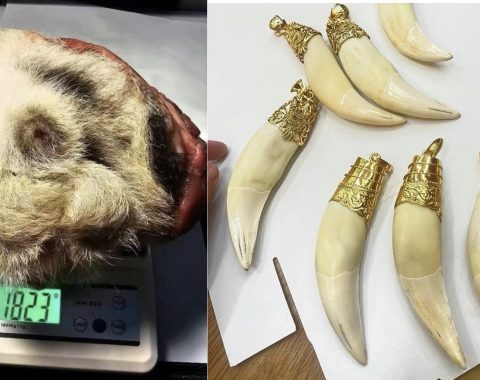
From illegal gold mining in the Amazon to the trafficking of endangered species, environmental crime is financially driven, and it’s thriving in the shadows of opaque corporate structures. The U.S. has become a key jurisdiction where shell and front companies are misused to launder proceeds from these crimes, making it harder to dismantle the transnational criminal networks behind them.
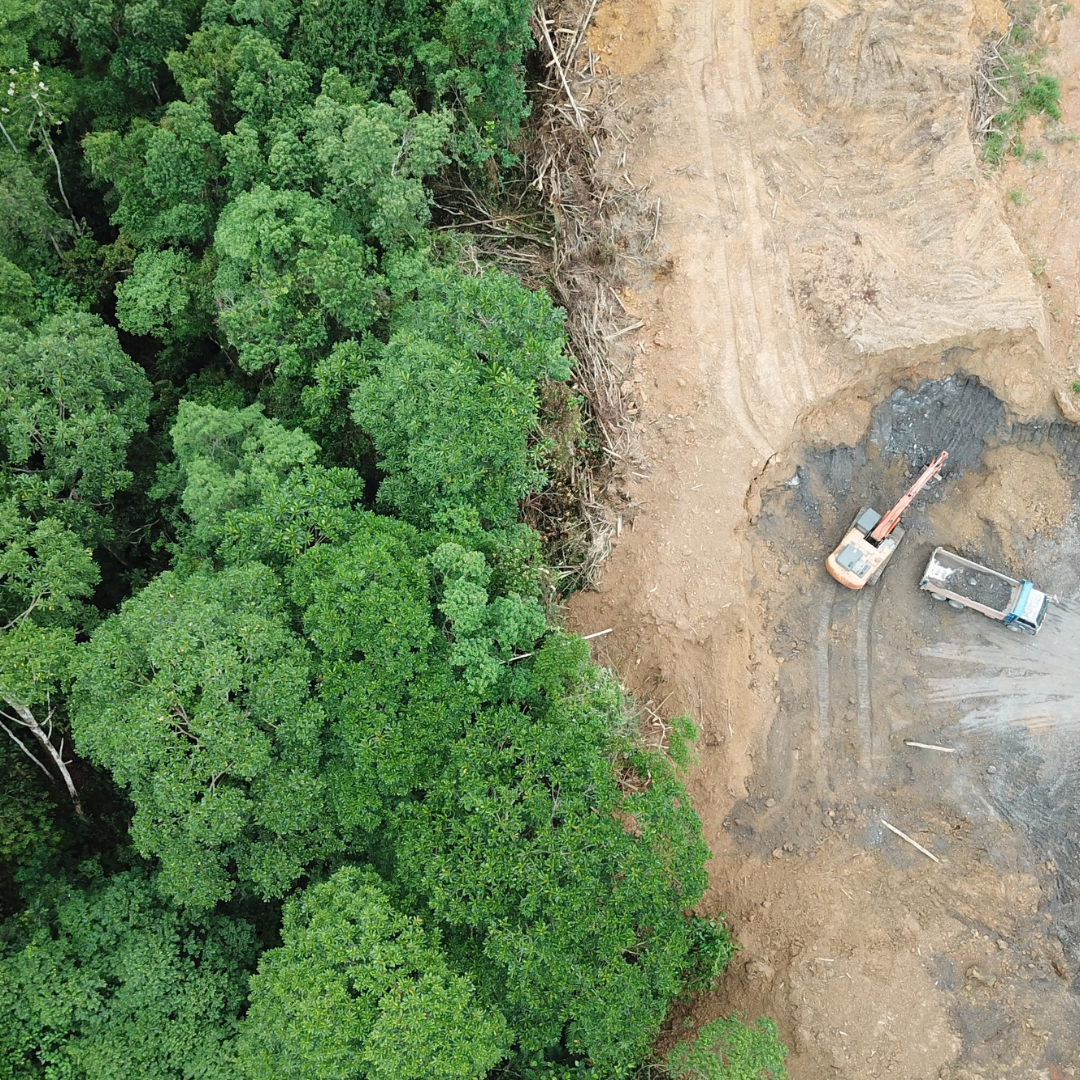 Environmental crime is one of the most lucrative forms of transnational crime. Weakening CTA enforcement leaves the door wide open for money laundering, corruption, and further ecosystem destruction.
American shell companies play a disturbing role in environmental crime—recent research found that among 230 environmental crimes in Amazon region countries over the past decade, the most common money laundering method was using shell and front companies, with the United States being the top foreign country involved. For example, Florida companies allegedly linked to Venezuelan officials are involved in illegal gold mining, Miami companies have been used as fronts to import $337 million worth of illegally mined Latin American gold, and Nevada LLCs are purchasing illegally sourced hardwood from Peru.
ELI’s investigations depend on following the money trail behind environmental destruction. The Corporate Transparency Act gives law enforcement and investigators like ELI the tools we need to connect the dots between environmental crimes and the anonymous companies that profit from them.
ELI stands firm: Transparency is non-negotiable. We call on FinCEN to restore robust reporting requirements and uphold the intent of the law.