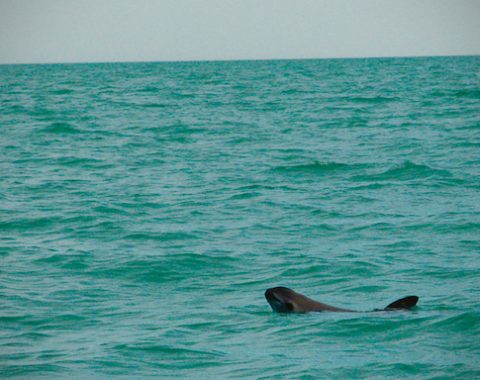
What if the official number of Amur tigers isn’t accurate? What’s really happening with the Amur tiger population?
While official reports celebrate the Amur tiger as a Russian conservation success story, new evidence suggests a troubling disconnect between perception and reality.
Through ELI’s WildLeaks initiative, whistleblowers submitted a series of anonymous tips that raised serious concerns about population estimates and conservation practices.
Over the course of nearly a year, ELI’s investigative team conducted a comprehensive assessment of information obtained through WildLeaks, interviewing dozens of subject matter experts who must remain anonymous due to the sensitive nature of the investigation.
This is exactly why ELI created WildLeaks: to provide a safe, confidential platform for those with sensitive information about environmental and wildlife crime to expose the truth, especially when it converges with serious criminal activity or politically delicate contexts.
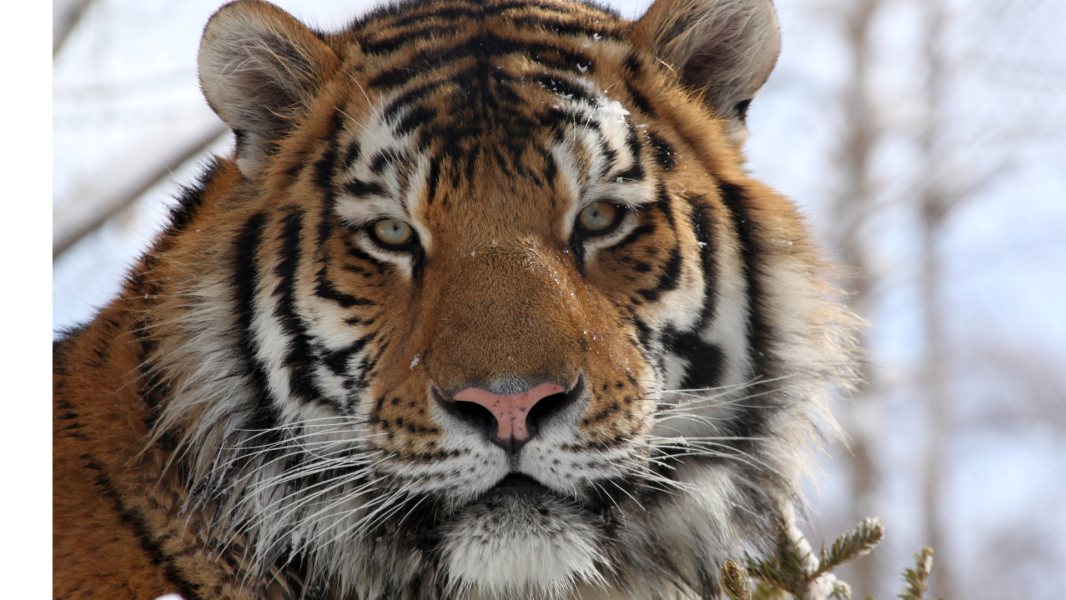 ELI recently published the article “What’s Really Happening with the Amur Tiger? Allegations of Political Influence and Data Secrecy in Russian Conservation.” This investigation began entirely from information received through WildLeaks, revealing the need for stronger mechanisms to promote transparency and accountability in the conservation space.
The anonymous tips and subsequent source verification revealed disturbing allegations that challenge everything we thought we knew about Amur tiger conservation:
-
Population Discrepancies: While the Amur Tiger Center reports at least 750 tigers in the Russian Far East, independent experts estimate the actual population may be closer to 300-400 individuals.
-
Poaching Statistics Under Question: Official reports claim only 10-15 tigers are poached annually across all of Russia, but independent sources suggest 49-73 tigers are poached each year in the Primorye region alone.
-
Centralized Control: The Amur Tiger Center has assumed exclusive control over tiger population censuses, reportedly excluding independent researchers and withholding raw data from peer review.
-
Allegations of Corruption: Sources point to a web of interconnected interests involving the same family holding key positions across conservation organizations, protected areas, and government ministries
Why WildLeaks Matters for Conservation
This case demonstrates the critical importance of confidential whistleblowing platforms in exposing environmental/wildlife crimes and converging criminal activities.
By providing a secure and anonymous platform, WildLeaks empowers the public to share sensitive information without risking their safety. We need this whistleblowing platform to expose and combat the full spectrum of environmental and wildlife crimes.
The Amur tiger case reveals how WildLeaks serves as an essential check on official narratives, particularly when:
-
Governments control conservation messaging for political purposes
-
Independent oversight is systematically prevented
-
Criminal networks exploit conservation programs for personal gain
-
International funding may be misdirected based on false success stories
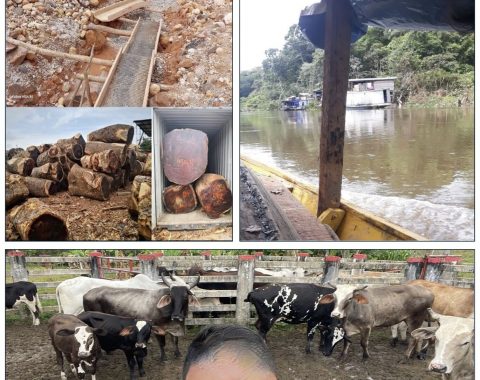
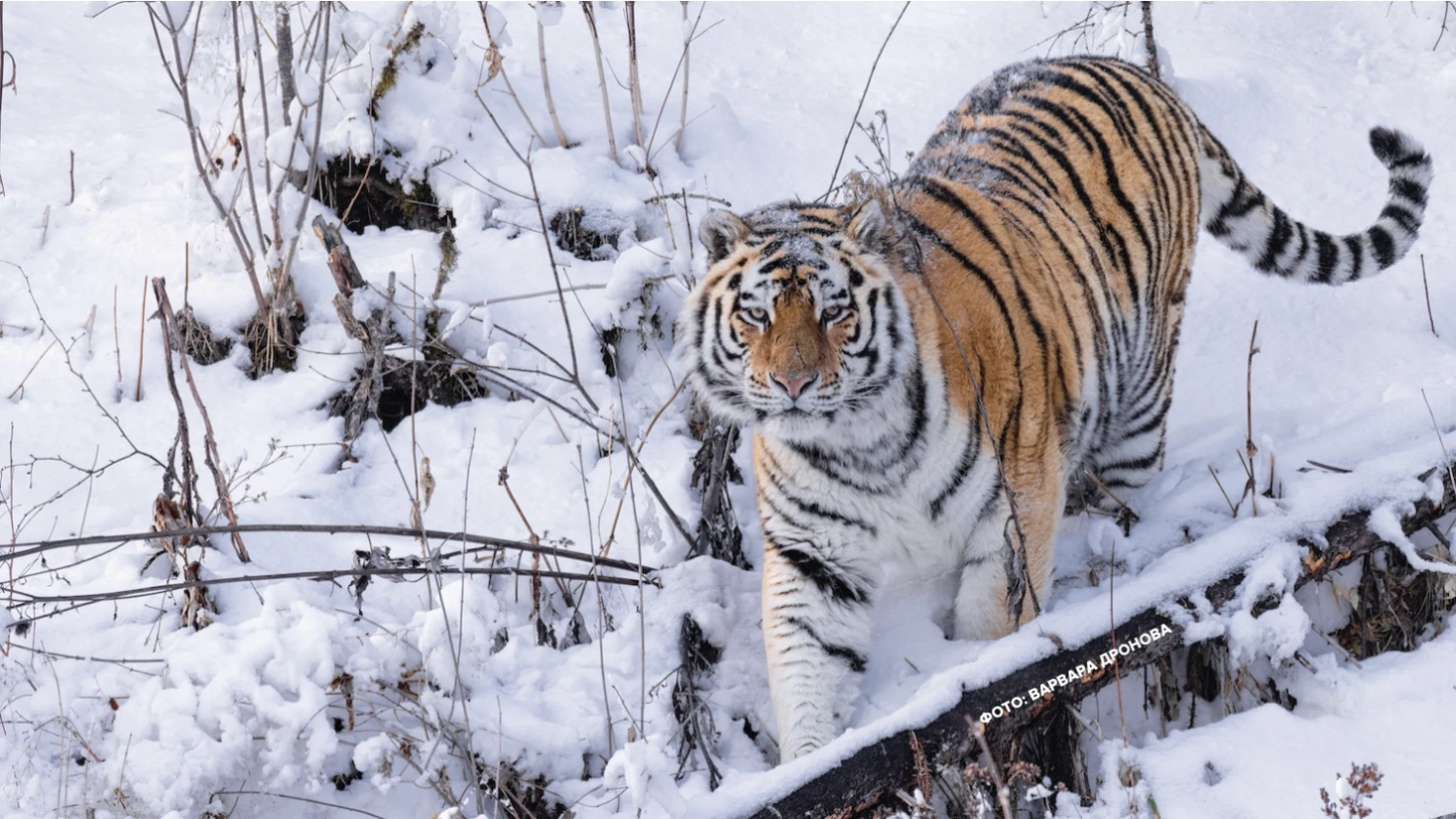 The information received through WildLeaks revealed that tiger conservation issues are deeply interconnected with broader criminal activities. Sources indicated that tiger poaching appears closely linked to other illicit activities, including illegal logging and trafficking of valuable plants like wild ginseng. These interconnected criminal networks continue to exploit Russia’s forests while potentially enriching corrupt officials.
This is precisely the type of complex, dangerous information that only a confidential platform like WildLeaks can safely bring to light. Sources risk their careers, freedom, and even personal safety when exposing these interconnected crimes.
The Amur tiger case proves that WildLeaks serves as an essential tool for environmental accountability in an era where official narratives cannot always be trusted. As wildlife crime becomes increasingly sophisticated and politically protected, confidential disclosure platforms become more critical than ever.
How You Can Help
This investigation raises critical questions about how governments control narratives around conservation successes, population numbers, and protection efforts. We urgently need stronger mechanisms to promote transparency and accountability in the conservation space.
If you have information about the real status of the Amur tiger, we encourage you to share it with us. We are in the process of producing a confidential intelligence brief for trusted government and intergovernmental agencies. Your identity will be kept fully confidential—even within our organization.
Finally, WildLeaks needs your support to continue serving as a vital channel for environmental truth-telling and transparency. Our platform provides the secure infrastructure necessary for whistleblowers to safely expose environmental/wildlife crimes, corruption, and deception
Disclaimer: This article is based on information obtained through a combination of confidential sources, public records, and whistleblower reports submitted via WildLeaks. While every effort has been made to assess the credibility of the information presented, some claims could not be independently verified. Allegations included in this article represent the view of sources and do not constitute confirmed criminal accusations. The purpose of this reporting is to promote transparency, accountability, and public interest in conservation issues.