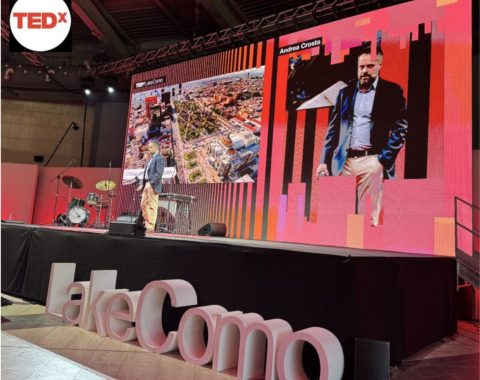
ELI Executive Director Andrea Crosta participated in the 10th Annual Hemispheric Security Conference (#HSC2025) in Miami, organized by the FIU Jack D Gordon Institute for Public Policy at Florida International University. The conference opened with a fireside chat featuring #SOUTHCOM Commander Adm. Alvin Holsey.
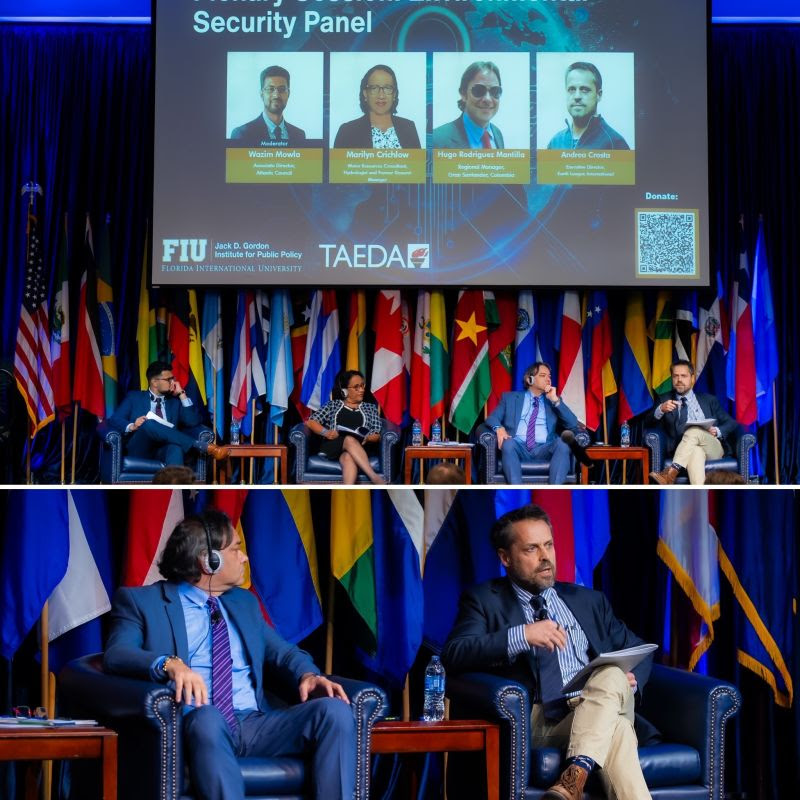 During the Plenary Session on Environmental Security, Andrea spoke about the role of transnational organized crime and ELI’s Environmental Crime Convergence work. Beyond being a major threat to national security and stability across many countries, organized crime is deeply linked to environmental destruction, creating complex security risks for governments and communities throughout the Western Hemisphere.
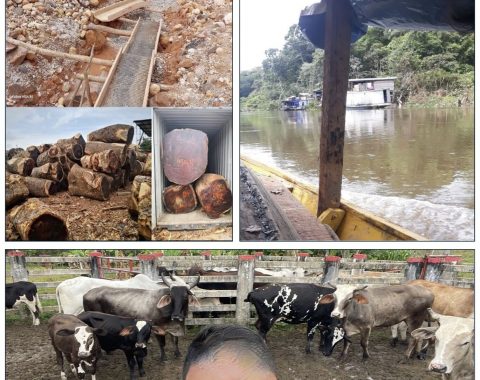
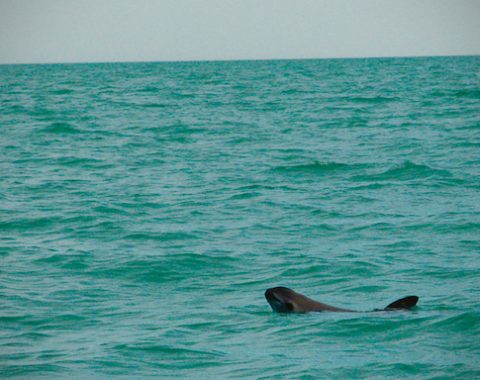
While climate change impacts vulnerable communities, environmental crimes like illegal logging, deforestation, mining, and IUU fishing often go overlooked despite fueling transnational criminal networks, destabilizing local economies, and eroding public institutions.
Andrea highlighted that fragile regions aren’t fragile solely due to climate change, but primarily from the absence of state presence and rule of law—conditions allowing organized crime, paramilitary groups, and hostile state actors to seize control.
Environmental degradation, often driven by organized crime, creates ungoverned spaces where transnational criminal organizations thrive, perpetuating a vicious cycle that current strategies struggle to break. Weak cooperation, diplomatic friction, and lack of coordination among countries only deepen the problem—creating fertile ground for transnational criminal groups and hostile state actors to expand their operations and influence.
Andrea called for a significant shift in strategy, emphasizing that intelligence-led operations and improved information sharing must become central pillars in the regional response to these interconnected environmental and security challenges.
Learn more here.